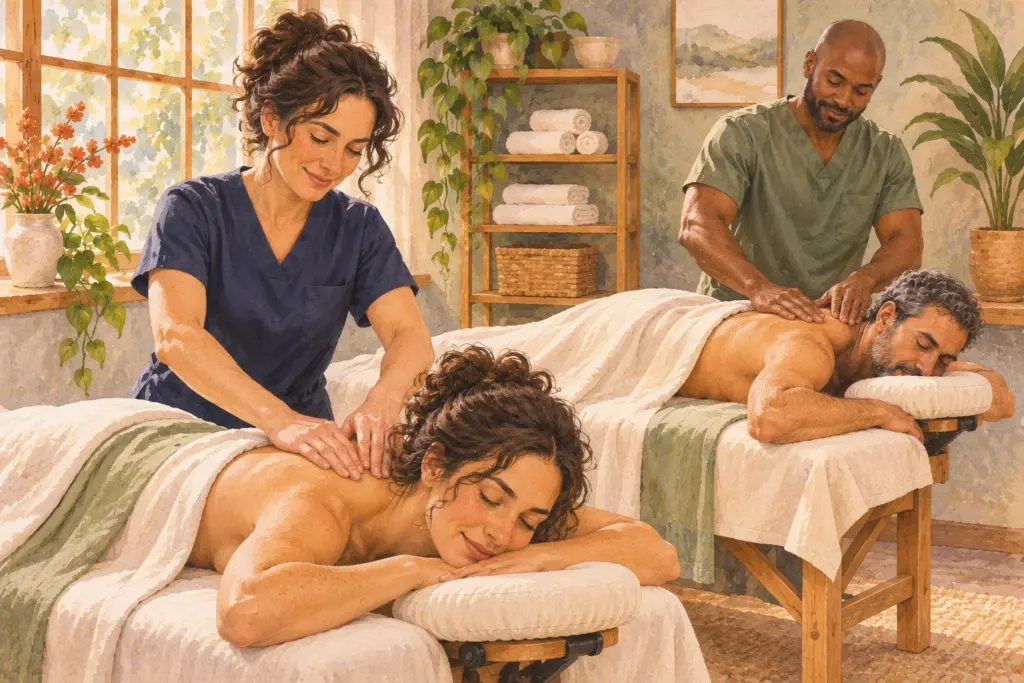
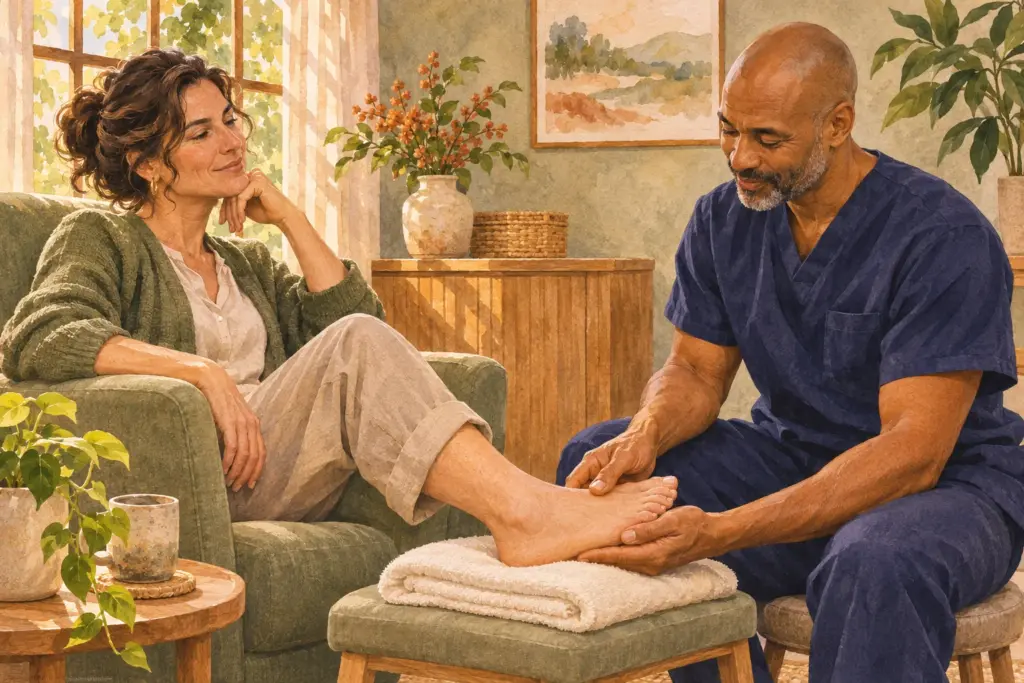
After a long day on your feet, a foot-focused appointment may sound more appealing than a full-body session. On a treatment menu, foot massage and reflexology are often listed together, although the names do not describe exactly the same approach.
Choosing comfortably starts with understanding the contact you would like, the practitioner’s preparation and the results it is reasonable to expect.
Foot massage and reflexology: the main difference
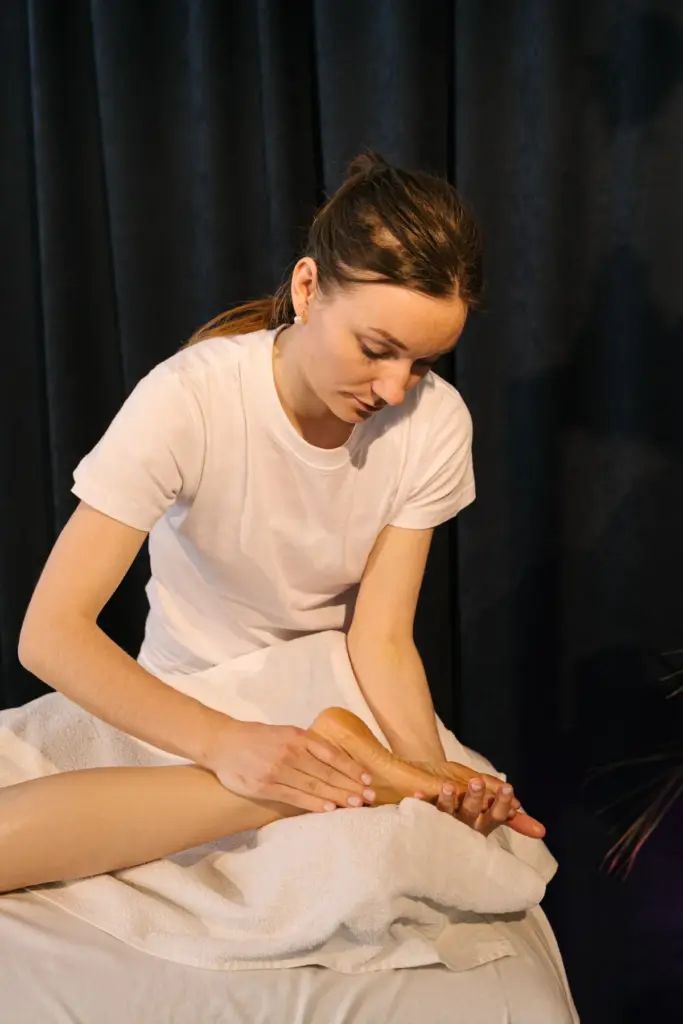
A foot massage describes work directed to the feet. The professional should explain the proposed contact, products and scope. It may form part of a longer massage or be offered as a separate appointment. The name alone does not tell you how much pressure will be used or whether the service includes the lower leg.
Reflexology applies pressure using a traditional map that associates points on the feet or hands with other body areas. The NCCIH’s explanation of reflexology notes that the claimed healing effects in those corresponding areas have not been demonstrated. Such a map is not a validated way to diagnose an organ problem.
That distinction should be reflected in the consultation. Ask the practitioner to describe the experience in plain language and to separate their traditional explanation from claims supported by clinical evidence.
What is a reasonable aim for the session?
You might simply want an unhurried, comfortable appointment or prefer attention to the feet rather than a full-body massage. Describe that preference directly. There is no need to turn it into a promise about treating a disease, restoring a body system or identifying hidden illness.
A pleasant sensation during a visit does not establish the cause of an existing symptom. If the explanation becomes worrying or difficult to understand, you can ask for clarification or decline that part of the service.
The NCCIH’s general massage guidance advises against postponing medical assessment because you are receiving massage. A wellbeing appointment and appropriate healthcare can have different purposes; the first should not obstruct the second.
Five questions to clarify before booking
- Which service am I choosing? Ask whether it is foot massage, reflexology or a combination, and what that means in practice.
- Which areas are included? Agree whether the work stops at the feet or also includes ankles and lower legs.
- What training is relevant? Ask about preparation for the specific service and how the practitioner identifies situations requiring referral.
- What will touch my skin? Discuss products, reusable tools and their cleaning before treatment begins.
- What does the appointment cost? Clarify consultation time, treatment time, additions and cancellation terms before paying.
Clear answers let you compare services without guessing from a photograph. If a cosmetic product is involved, our guide to massage oils and product choice discusses questions worth raising without making a particular oil compulsory.
What a comfortable appointment should allow
The practitioner should give you time to explain relevant concerns before touching your feet. You can mention a recent injury, skin changes or instructions from a healthcare team. Only share what is necessary to decide whether the service is suitable; you should receive an explanation of how information is handled.
Agree a supported position, the areas that may be touched and how to request a change. Pressure is something to discuss, not a challenge to endure. Sharp pain, burning or feeling unwell is a reason to stop and reassess. You can refuse a technique even after the appointment has started.
Shoes and socks may need to be removed for the agreed service, but you can ask how the rest of your body will remain covered and comfortable. Our first-massage guide covers privacy and consent in more detail, without requiring you to accept a full-body treatment.
When the feet need assessment rather than massage
Do not use a massage appointment to investigate unexplained foot pain. The NHS guidance on pain in the ball of the foot recommends seeking help for persistent or worsening problems and urgent advice for severe pain, inability to walk, or a hot, swollen, painful foot. Use the appropriate healthcare service where you live rather than waiting for a wellbeing visit.
Diabetes deserves particular attention. NHS diabetes foot-care advice explains that altered sensation can make injuries harder to notice. New wounds, redness, heat or swelling require prompt professional assessment. Reduced pain does not prove that strong pressure is safe. Discuss suitability with the team responsible for your feet, especially if you have reduced sensation, circulation problems or a wound.
A practitioner should be willing to postpone or adapt a service when appropriate. Our guide to postponing massage and referral explains the wider safety decision. Massage does not replace podiatry or medical investigation of a foot problem.
Choosing a provider without relying on big promises
Look for someone who can explain the service, its boundaries and the relevant training without claiming to read your health from a foot chart. A useful consultation makes room for your questions. It should also allow the answer that a different professional or an assessment is needed.
You can explore the Massage Alliance directory and contact providers directly about their services and availability. Read the credentials on each profile and ask whether their training covers the particular appointment you want. A profile or a traditional treatment name does not guarantee a health outcome.
Common questions about foot massage and reflexology
Should pressure on the feet hurt?
You do not need to tolerate painful pressure. Ask for a change or stop. The conversation should help you make a calm decision, without being frightened into further sessions.
How long should an appointment last?
There is no single duration that defines a good service. Ask how consultation and treatment time are divided, and choose an appointment that fits your comfort and purpose.
Can I choose massage without reflexology?
Yes, you can ask for a service focused on comfortable foot massage without a reflex-point explanation. The professional should make clear whether that option is within their practice.