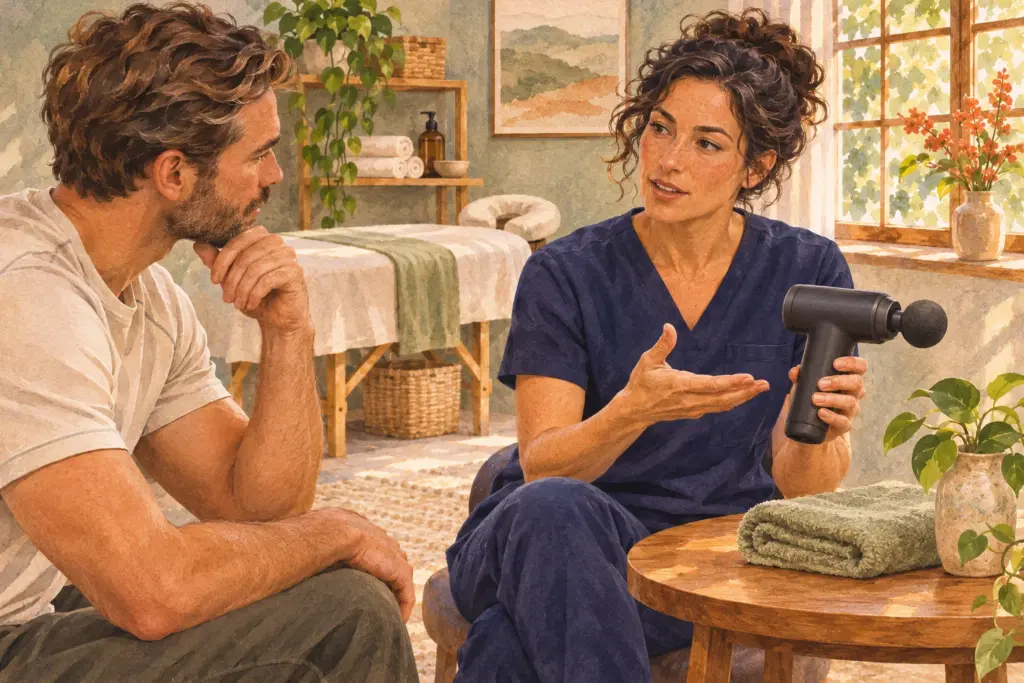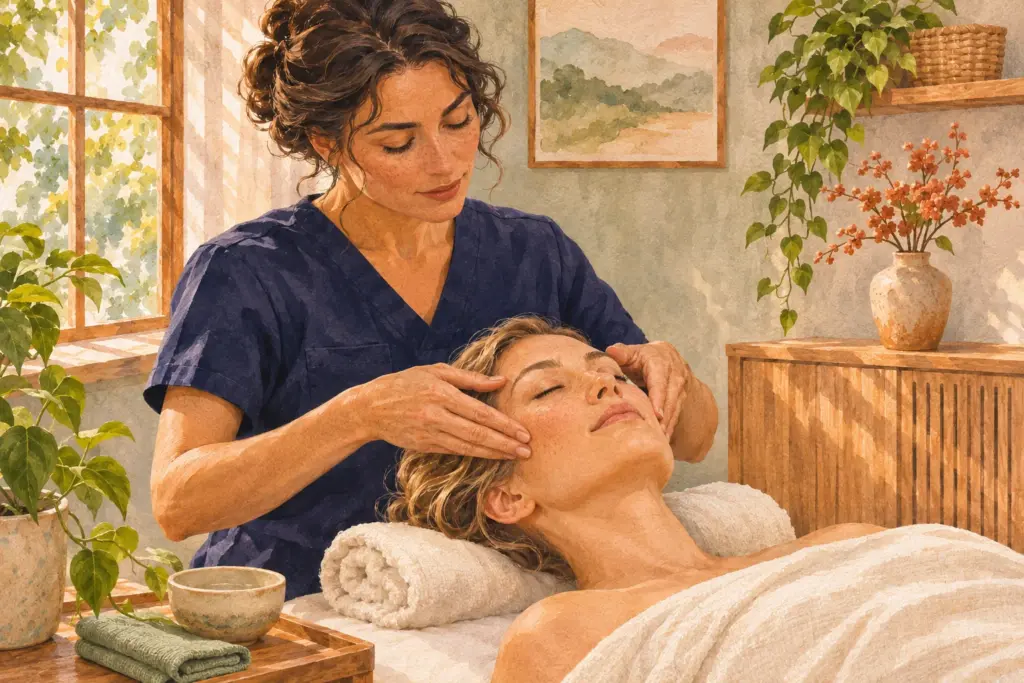
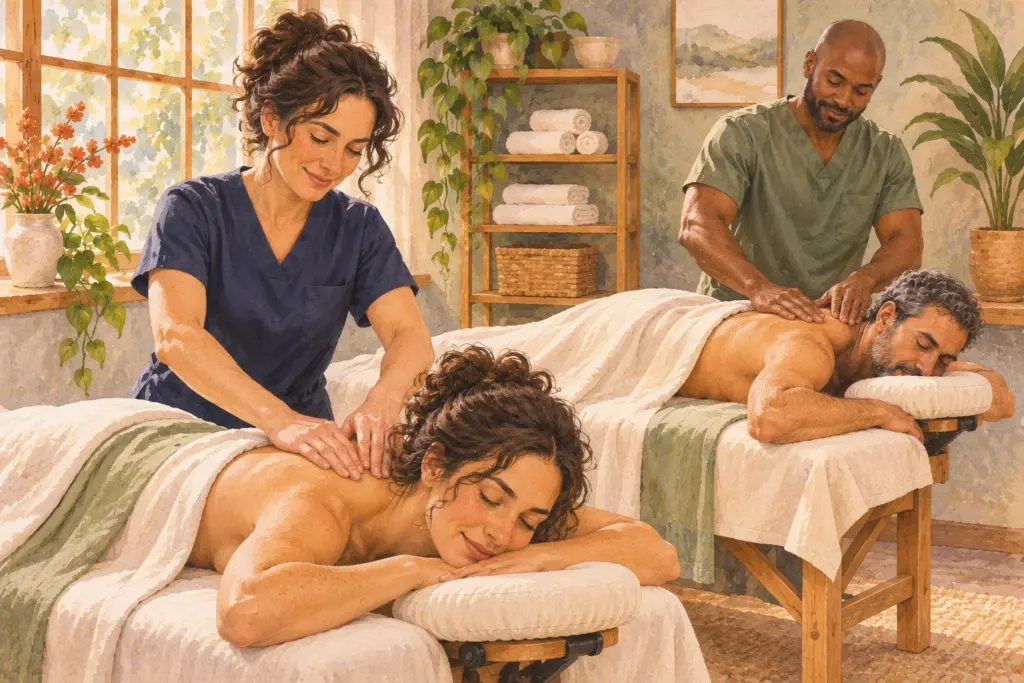
A couples massage can be a way to share an appointment while receiving individual attention. Before booking, however, it is worth looking beyond the photographs of candles and matching massage tables. The useful questions concern the people providing the service, what the appointment includes and how each person’s choices will be respected.
You do not need a romantic occasion to consider it. Adult friends or relatives may also want an appointment together. What matters is that both people want to attend and can choose freely throughout the experience.
What does a couples massage usually involve?
It commonly means two people receiving massage in the same room, each on a separate table and each with their own practitioner. The sessions often run alongside one another. This describes a setting, rather than a particular massage technique or a standard package that every business must provide.
Some centres use a different format, such as appointments in adjoining rooms or services delivered one after another. A phrase such as massage for two does not settle those details. Ask who will work with each person and whether the massage is simultaneous. Shared surroundings should still allow two separate conversations about preferences and needs.
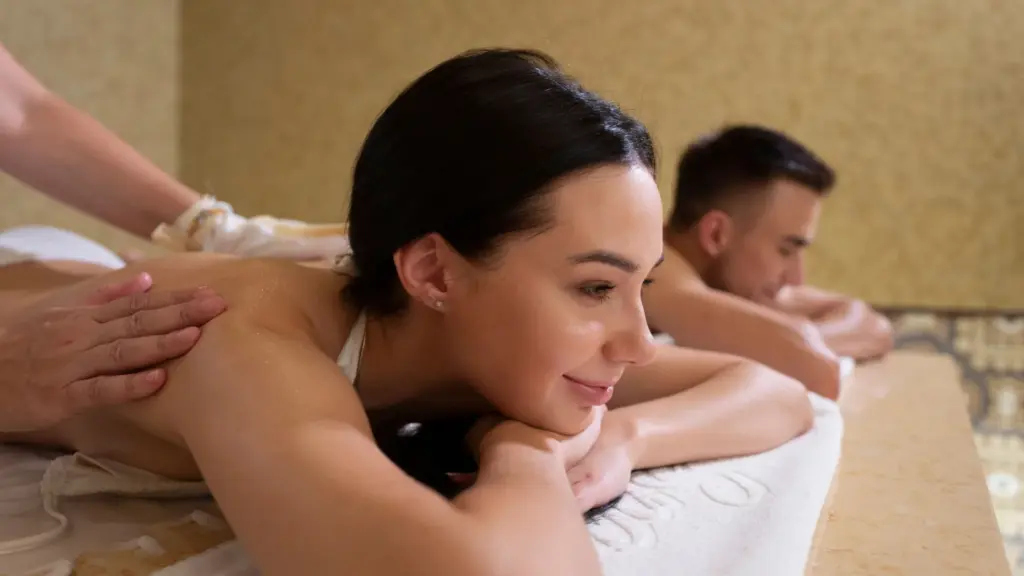
Choose the format, not just the atmosphere
Talk together about what would make the appointment comfortable. One person may prefer silence, another a brief explanation before each change of position. Pressure, areas to avoid, room temperature and the choice of products can differ. Neither person needs to copy the other’s choices to make the shared appointment worthwhile.
A couples spa package may also include facilities or other services. Check whether these are optional, how they affect the schedule and whether either person can decline them. If sharing a room makes discussing personal matters difficult, ask about private conversations or separate appointments instead.
How the appointment may unfold
Before any massage begins, each person should have an opportunity to explain their preferences and relevant health concerns. A shared booking form is not a substitute for that individual conversation. The practitioners can then explain the proposed approach, products, positioning and clothing or covering arrangements.
There should be a clear way to prepare in privacy, settle on the table and ask for adjustments. During the session, speak up about uncomfortable pressure, temperature or positioning rather than waiting for your companion to comment. If this will be your first appointment, our guide to clothing, privacy and what to expect from a first massage explains the practical details.
Consent and privacy belong to each person
Attending together does not create shared consent. Each adult makes their own decisions about touch, pressure and areas of the body. Either person can ask for a change, pause or stop, without the other’s permission. Choosing and paying for an appointment does not entitle someone to decide what happens to their companion.
As a professional reference, the Ontario regulator’s CMTO consent standard describes informed consent as something obtained before and throughout care, with opportunities for questions and withdrawal. These are expectations in that regulator’s jurisdiction, rather than a universal description of local law.
The British Columbia regulator also connects draping guidance with privacy, dignity and communication. Ask how towels, sheets or clothing will protect your privacy, including when positions change. You can request a confidential conversation without your companion present; personal information need not become part of a joint discussion.
Six questions to ask before booking
A clear answer is more helpful than a package name. These questions make services easier to compare:
- Will we be in the same room, with two separate tables and two practitioners working at the same time?
- How many minutes are spent receiving massage, and does the advertised duration include consultation and changing?
- What is the final price for two people, including taxes, and which facilities or additional services cost extra?
- Who will provide each massage, and what training, relevant experience or locally required registration do they have?
- Can we choose different pressure or products, remain suitably clothed and discuss personal information separately?
- What are the cancellation and rescheduling terms, including if only one person cannot attend?
If buying a voucher, also check its validity, booking restrictions and refund conditions. Keep the service description and the terms you receive.
Check suitability as well as credentials
A welcoming room cannot establish professional competence. Our guide to checking a massage professional’s credentials can help you understand what a qualification or registration actually covers. Requirements differ by location; a private certificate does not automatically replace a licence where one is required.
The NCCIH overview of massage advises asking about training and consulting a healthcare professional if you are unsure whether massage is suitable. Do not delay medical assessment because a shared appointment is already booked. Our article on when to postpone massage or seek advice covers that decision in more detail.
A couples booking does not guarantee a particular physical or emotional outcome. General massage research should not be turned into a promise about your relationship. It is reasonable to choose the experience simply because both people like the format, without expecting a treatment for stress or relationship difficulties.
The Massage Alliance professional directory can be a starting point for exploring profiles. Confirm available services, who will attend to you and the appointment terms directly with the centre.
Frequently asked questions
Do we have to choose the same massage?
Not necessarily. Ask whether the centre can accommodate different approaches within the same appointment. Availability and pricing may differ. Each person’s preferences and suitability still need their own discussion.
Can we attend as friends or adult relatives?
Yes, the shared format need not be romantic. Confirm the centre’s arrangements when booking so that the room, communication and service match your expectations.
What if one person wants to stop?
That person can tell their practitioner to stop. Whether the other session continues depends on their own wishes and the practical arrangements. Agree beforehand how you would like the centre to handle a pause or an early finish.
The best choice is an appointment you both understand: clear terms, appropriate professionals and room for independent decisions from beginning to end.